September 28th, 2022
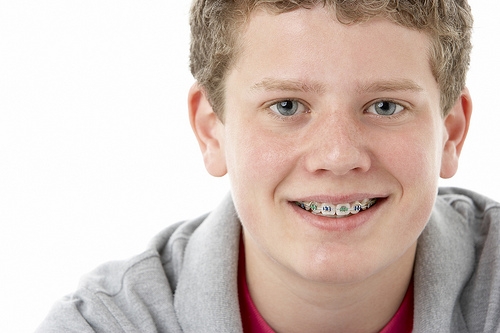
One exciting part about wearing braces from Hamilton and Whitecotton Orthodontics is getting to choose the colors of your rubber bands. Orthodontists place elastic bands, or ligatures, over each bracket to secure the archwire in place. These rubber bands may be individual or connected, depending on your mouth’s needs. From Dr. Todd Hamilton and Dr. Bryan Whitecotton, you have the option of choosing the color of your elastics, which are changed about once every month at every visit. Our offices keep a color wheel handy to help you choose which ones suit you best!
Children and teens often enjoy picking different colors each month to express their creativity and coordinate their braces with outfits. Decorating your mouth with your favorite colors is fun for kids and takes some of the stress out of wearing braces. Adults who wish for subtlety have color options that blend in with the metal brackets and archwire. Common choices for adults include silver, clear, and gray tones.
Common Color Combinations for Rubber Bands
With individual ligatures for each bracket, you may choose different color combinations for special events. You can have alternating colors or place an entire rainbow over your teeth. Here are a few options to consider:
- School spirit colors
- Favorite sports team colors
- Patriotic colors
- Holiday themes
Some patients choose only one color to match their mood, personality, or favorite outfits. The palette of choices allows you to make bold statements with your braces or go for subtler tones that blend in with the metal structures. Keep in mind that bright colors make your teeth look whiter, while lighter shades, such as yellow and white, may cause your teeth to appear less bright.
What Your Rubber Band Color Says About You
- Red tones indicate that you are ready for action and take charge of your life with aggressive, forward-thinking steps.
- Blue tones are calm and relaxing. You are conservative and exhibit integrity when dealing with situations.
- Green tones represent growth and balance. You are level-headed and look for opportunities to grow emotionally and spiritually.
- Purple tones attract creative energies. You like to have fun and use your imagination in every aspect of your life.
- Orange tones indicate that you are optimistic and thrive in social situations where communication is open.
- Pink is a romantic color that represents a caring personality. You also enjoy having fun with silly games and endless laughter.
September 21st, 2022
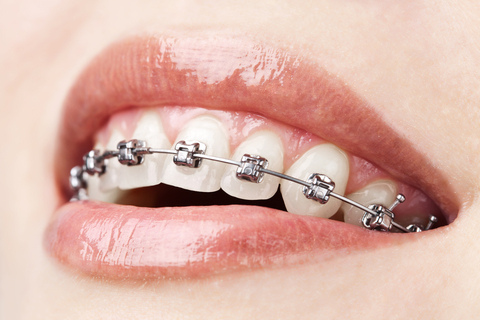
As you are undergoing orthodontic treatment, our team at Hamilton and Whitecotton Orthodontics would like to point you to a helpful website. Our friends at the American Association of Orthodontists (AAO) have lots of important information about everything relating to braces, including myths and facts of orthodontics, tips for a better orthodontic experience, and cool webisodes about orthodontics.
Check out AAO today and feel free to contact us at our Denver, NC office if you have any questions.
Dr. Todd Hamilton and Dr. Bryan Whitecotton and our team at Hamilton and Whitecotton Orthodontics hope this information helps you!
September 14th, 2022
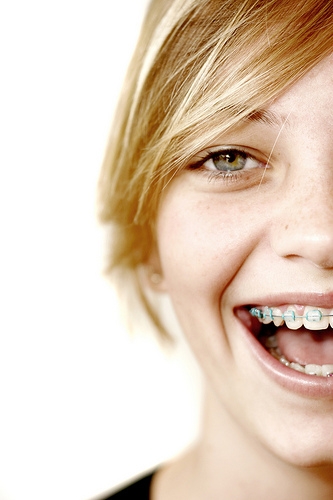
Everyone wants a naturally aligned and beautiful smile, and it is no secret that orthodontic braces from Hamilton and Whitecotton Orthodontics can help deliver one. However, there are greater benefits to wearing braces than just having straight teeth. You’ll gain many oral health benefits in addition to the cosmetic ones.
Tooth Decay and Gum Disease
Crooked or crowded teeth may overlap each other and create tight spaces in between. These can make it very difficult to brush and floss effectively, allowing bacteria and plaque to build up, and eventually leading to tooth decay and gum disease. With orthodontic treatment, your teeth will become properly aligned and spaced, which allows for more effective brushing.
Difficulties with Speech
Your teeth play an essential role in speech. When they are out of line or lean too far forward or backward, this can affect your speaking patterns, and possibly cause embarrassment and frustration. Braces can readjust the positioning of the teeth to allow for clearer, more professional speech.
Bone Erosion
Bone and gum tissues begin to erode when there are no teeth to support. This is also true for poorly aligned teeth that leave gaps and spaces or place too much pressure on the jawbone due to a bad bite. With braces, the bones and tissues are less likely to erode and can continue to support the teeth in their new alignment.
Digestion
Your teeth play an important role in digestion. Before food ever enters your stomach, it has been partially digested by the teeth. If teeth are severely out of line, however, they may not play their role in breaking down food as effectively as they should. With braces, your teeth will be straightened into optimal alignment for eating and chewing.
Dr. Todd Hamilton and Dr. Bryan Whitecotton and staff will be happy to answer any of your questions about your orthodontic treatment. Visit us in Denver, NC today!
September 7th, 2022
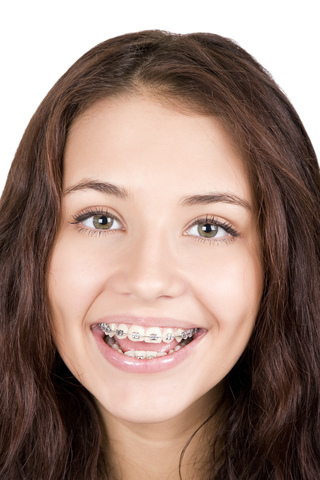
These days, Americans everywhere are putting greater emphasis on health and self-improvement, and more people are seeking orthodontic treatment to improve their smile. September happens to be Self-Improvement Month, and our team at Hamilton and Whitecotton Orthodontics knows that orthodontic treatment is an investment in self-improvement that will provide benefits for a lifetime. Recent advances in orthodontia now make treatment more comfortable for many interested in obtaining that beautiful smile.
Not only does orthodontic treatment give you a beautiful smile, it can also benefit your dental and general health. If teeth are poorly aligned, removing plaque and tartar by brushing and flossing may be difficult. A bad bite may result in fractured or excessively worn tooth surfaces, and the extra stress caused by a bad bite may even result in problems with your jaw joints.
If you’ve been thinking about getting that perfect smile, Dr. Todd Hamilton and Dr. Bryan Whitecotton would love to have you visit for an initial consultation. Please give us a call to schedule a visit! See you soon!